What Does It Mean to Practice Land Stewardship? Understanding Land Stewardship Practices
- Panhandle Asset Services

- Apr 15
- 4 min read
Owning land, especially if you are not living on it, comes with unique responsibilities. You want to protect your investment, keep it safe from damage, and ensure it remains valuable for years to come. This is where land stewardship practices come into play. But what does it really mean to practice land stewardship? How can you, as an absentee landowner, take care of your property effectively? This post will guide you through the essentials of land stewardship, practical steps you can take, and why it matters.
What Are Land Stewardship Practices?
Land stewardship practices are the actions and habits you adopt to care for your land responsibly. These practices help maintain the health, safety, and value of your property. They include monitoring the land regularly, preventing illegal dumping, managing vegetation, and protecting wildlife habitats.
For example, if you own vacant land, you might schedule regular visits or hire a service to check for signs of trespassing or dumping. You could also clear invasive plants that harm the local ecosystem or repair fences to keep unwanted visitors out. These simple steps can prevent costly problems and keep your land in good shape.
Some common land stewardship practices include:
Regular inspections to spot issues early
Trash removal to prevent pollution and pests
Vegetation management to reduce fire risk and support native plants
Erosion control to protect soil quality
Wildlife habitat preservation to maintain biodiversity
By practicing these, you not only protect your land but also contribute to the health of the surrounding environment.

Why Land Stewardship Matters for Absentee Landowners
When you don’t live on your land, it’s easy to lose track of what’s happening there. This can lead to problems like illegal dumping, trespassing, or neglect that damages the property. Practicing good land stewardship helps you stay in control and avoid these issues.
For absentee landowners in the Idaho Panhandle, land stewardship is especially important because:
The region’s climate can encourage rapid plant growth, which needs managing.
Remote locations can attract unwanted visitors or illegal activities.
Protecting your land’s natural resources preserves its value over time.
By adopting land stewardship practices, you reduce risks and increase your peace of mind. You know your land is being cared for, even from a distance.
What is the meaning of land steward?
A land steward is someone who takes responsibility for the care and management of a piece of land. This role involves more than just ownership; it means actively protecting and improving the land’s health and value.
As a land steward, you might:
Monitor the land regularly for signs of damage or misuse
Implement conservation practices to protect soil and water
Manage vegetation to prevent wildfires or invasive species
Work with local agencies or neighbors to support community land health
Being a land steward means you are a guardian of the land, ensuring it remains productive and healthy for future generations. Even if you are not physically present, you can fulfill this role by organizing regular checks and maintenance.
Practical Steps to Practice Land Stewardship
You might wonder how to start practicing land stewardship if you are not on-site. Here are some practical steps you can take:
Schedule Regular Land Inspections
Visit your property or hire a trusted local service to inspect it regularly. Look for signs of dumping, trespassing, erosion, or damage.
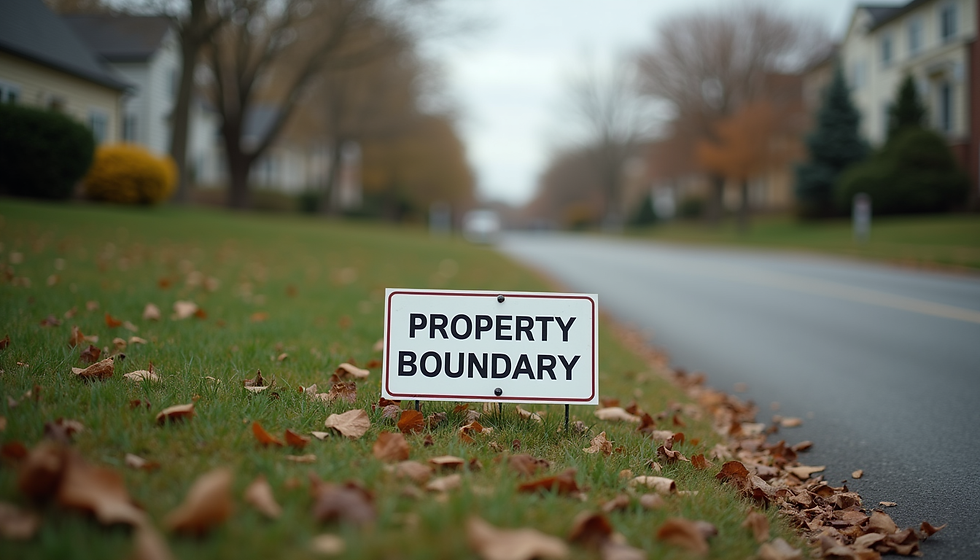
Maintain Clear Boundaries
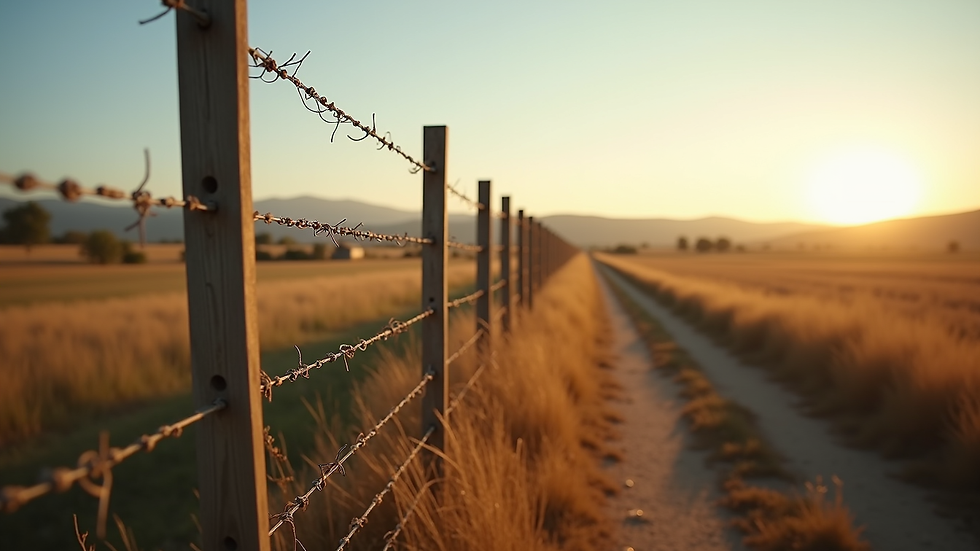
Keep fences and boundary markers in good condition. This helps prevent trespassing and clearly defines your property lines.
Manage Vegetation
Remove invasive plants and control overgrowth. This reduces fire risk and supports native species.
Prevent Illegal Dumping
Post clear signs about no dumping and report any illegal activity to local authorities promptly.
Protect Water Sources
If your land has streams or ponds, keep them clean and free from pollutants.
Document Everything
Keep records of inspections, maintenance, and any incidents. This documentation can be useful if legal issues arise.
Engage with Local Resources
Connect with local conservation groups or land management agencies for advice and support.
By following these steps, you actively care for your land and protect your investment.
How Land Stewardship Protects Your Investment
Vacant land can be vulnerable to many threats. Without proper care, it can lose value quickly. Practicing land stewardship helps you:
Prevent Damage: Regular monitoring catches problems early before they become costly.
Reduce Liability: Keeping your land safe and secure lowers the risk of accidents or illegal activities.
Enhance Value: Well-maintained land is more attractive to buyers or renters.
Support Sustainability: Healthy land contributes to the environment and local community.
For absentee landowners, partnering with a reliable land management service can provide detailed monitoring and quick responses to issues. This partnership gives you peace of mind knowing your land is protected even when you cannot be there.
Final Thoughts on Practicing Land Stewardship
Practicing land stewardship is about being proactive and responsible. It means taking steps to care for your land, protect it from harm, and maintain its value. Whether you visit your property regularly or rely on trusted partners, your role as a land steward is vital.
If you want to learn more about what is land stewardship, remember it is a commitment to the long-term health and safety of your land. By adopting good stewardship practices, you ensure your land remains a valuable asset for years to come.
Taking care of your land is not just about ownership - it’s about stewardship. Start today, and protect your investment with confidence.