Essential Inspection Tasks for Vacant Land
- Panhandle Asset Services

- Mar 24
- 4 min read
When you own vacant land, especially if you are not nearby, keeping an eye on it is crucial. Vacant land can face many challenges like unauthorized dumping, trespassing, or natural wear and tear. Regular inspections help you protect your investment and maintain peace of mind. This guide will walk you through essential inspection tasks for vacant land, so you know exactly what to look for and how to act.
Key Inspection Tasks for Vacant Land
Inspecting vacant land involves more than just a quick walk around the property. You need to check several important aspects to ensure the land remains in good condition and free from problems. Here are the main tasks you should focus on:
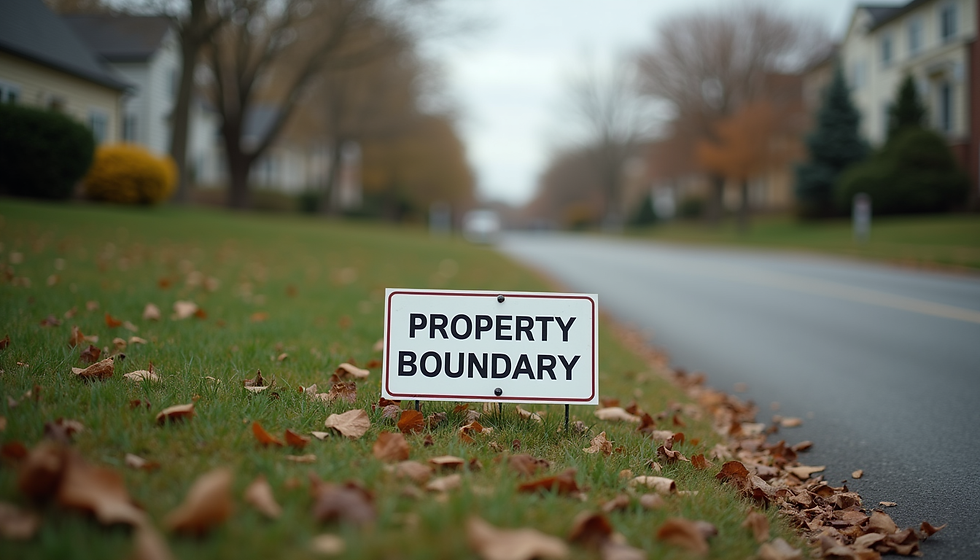
Boundary and Fence Check: Walk the perimeter to confirm that fences are intact and boundary markers are visible. Look for signs of trespassing or damage.
Vegetation and Overgrowth: Assess the growth of weeds, trees, and shrubs. Overgrowth can hide hazards or encourage unwanted visitors.
Drainage and Water Issues: Check for standing water, erosion, or signs of flooding. Proper drainage is vital to prevent land degradation.
Trash and Dumping: Look for any illegal dumping or litter. Removing trash promptly keeps the land clean and deters further dumping.
Access Points: Verify that gates and paths are secure and accessible. Broken locks or blocked entrances can invite trespassers.
Wildlife and Pest Activity: Notice any animal burrows, nests, or signs of pests that could damage the land or create hazards.
By regularly performing these tasks, you can catch problems early and keep your land in top shape.

What Tests Should Be Done Before Buying Land?
Before purchasing vacant land, it’s important to conduct several tests to avoid surprises later. These tests help you understand the land’s condition and any limitations it might have.
Soil Testing: Determines soil quality and suitability for building or farming. It can reveal contamination or poor drainage.
Environmental Assessment: Checks for protected species, wetlands, or contamination that could restrict land use.
Topographic Survey: Maps the land’s contours and elevation to identify flood risks or grading needs.
Title Search and Easements: Ensures clear ownership and reveals any rights others may have on the land.
Utility Availability: Confirms access to water, electricity, and sewage systems, which are essential for development.
These tests provide a clear picture of what you’re buying and help you plan for future use.
How to Use a Vacant Land Inspection Checklist Effectively
Using a vacant land inspection checklist can make your inspections more thorough and organized. Here’s how to get the most out of it:
Prepare Before You Go: Review the checklist and gather any tools you might need, such as a camera, GPS device, or measuring tape.
Take Notes and Photos: Document your findings with clear notes and pictures. This helps track changes over time and supports any needed action.
Prioritize Issues: Identify urgent problems like broken fences or illegal dumping and plan to address them quickly.
Schedule Regular Monitoring: Set a routine monitoring schedule, such as quarterly or yearly, depending on the land’s location and risk factors.
Share Reports with Your Service Provider: If you use a land management service, provide them with your inspection notes to coordinate maintenance or security.
A checklist keeps you focused and ensures no important detail is missed during your inspection.

Tips for Protecting Your Vacant Land from Common Issues
Vacant land can attract unwanted activities if left unchecked. Here are some practical tips to protect your property:
Install Clear Signage: Post “No Trespassing” and “Private Property” signs to deter unauthorized visitors.
Maintain Fencing: Keep fences in good repair to create a physical barrier.
Regular Cleanups: Remove trash and debris promptly to discourage dumping.
Use Surveillance: Consider motion-activated cameras or periodic drone surveys to monitor the land remotely.
Work with Local Authorities: Report illegal activities and collaborate with local law enforcement for support.
Engage a Trusted Land Service: Partner with a company that specializes in vacant land monitoring and maintenance for consistent care.
These steps help you maintain control over your land and reduce risks.
Planning for Long-Term Land Care and Value
Vacant land is an investment that requires ongoing attention to retain its value. Here’s how to plan for the future:
Develop a Maintenance Schedule: Include mowing, fence repairs, and inspections in your calendar.
Monitor Market Trends: Stay informed about local land values and zoning changes that could affect your property.
Consider Land Use Options: Explore possibilities like leasing for agriculture, hunting, or solar projects to generate income.
Keep Records Updated: Maintain detailed records of inspections, repairs, and any improvements.
Prepare for Emergencies: Have a plan for natural events like floods or wildfires that could impact your land.
By thinking ahead, you can protect your investment and make the most of your vacant land.
Taking the time to perform these inspection tasks for vacant land will help you safeguard your property and avoid costly problems. Whether you manage the land yourself or work with a trusted partner, staying proactive is the key to peace of mind and long-term success.